Extra-Hour Money Audit: A 60-Minute Checklist
The clocks went back in the early hours of this morning, which means the weekend handed you one hour you were not planning to have. You can sleep it, and no judgment, or you can spend it on the dullest high-yield task in personal finance: a one-hour audit of everything that quietly leaves your accounts. This is a checklist format on purpose. No decisions about markets, no new accounts, just leaks found and stopped. Below is the exact 60 minutes, plus a worked example of what one pass can be worth.
Minutes 0-15: subscriptions and renewals
Open your main card and bank statements and search the last 90 days for recurring charges. List every one, then mark each as used this month, used this quarter, or not used at all. The third pile is the audit's whole payday. Cancel in the app or on the website while you sit there; a note to cancel later is worth nothing, as anyone who has run our holiday funding comparison on a card balance already knows.
Minutes 15-25: fees and duplicate tiers
Look for account maintenance fees, paper-statement fees, and out-of-network ATM fees. Then check for duplicates: two music tiers, a streaming service billed both directly and through an app store, cloud storage on two platforms. Duplicates survive audits because each charge looks small alone. Together they are a utility bill.
Minutes 25-40: the free official checks
Pull your credit reports from AnnualCreditReport.com, the federally authorized site; the FTC's free credit reports guide explains what is free and what a lookalike site is selling. You are not hunting your score. You are checking for accounts you do not recognize and balances that should have been reported as paid. Then run the IRS Tax Withholding Estimator if your income or household changed this year; with two months of paychecks left, a withholding fix is one of the few audit items that can still move your 2026 result.
Minutes 40-60: pantry, freezer, and the calendar
Finish where money leaves without a statement line: food bought and never cooked. Inventory the freezer and pantry, pick two dinners that use what is already paid for, and put them on this week's plan in place of two bought meals. Then open the calendar and list every automatic renewal, insurance date, and subscription trial end between now and January 1. That list is also your FSA spend-down companion: different pot of money, same year-end deadline sitting underneath it.
The worked example: $108 a month
These are illustrative figures from one example household audit, not survey averages. The point is the shape of the finds, not the exact total.
| Find | Monthly value |
|---|---|
| Two forgotten subscriptions ($19 + $18) | $37 |
| One duplicate streaming tier | $15 |
| Bank account fees avoided by switching statement/direct-deposit settings | $12 |
| Two pantry/freezer dinners replacing bought meals ($22 x 2) | $44 |
| Total | $108 a month, $1,296 a year |
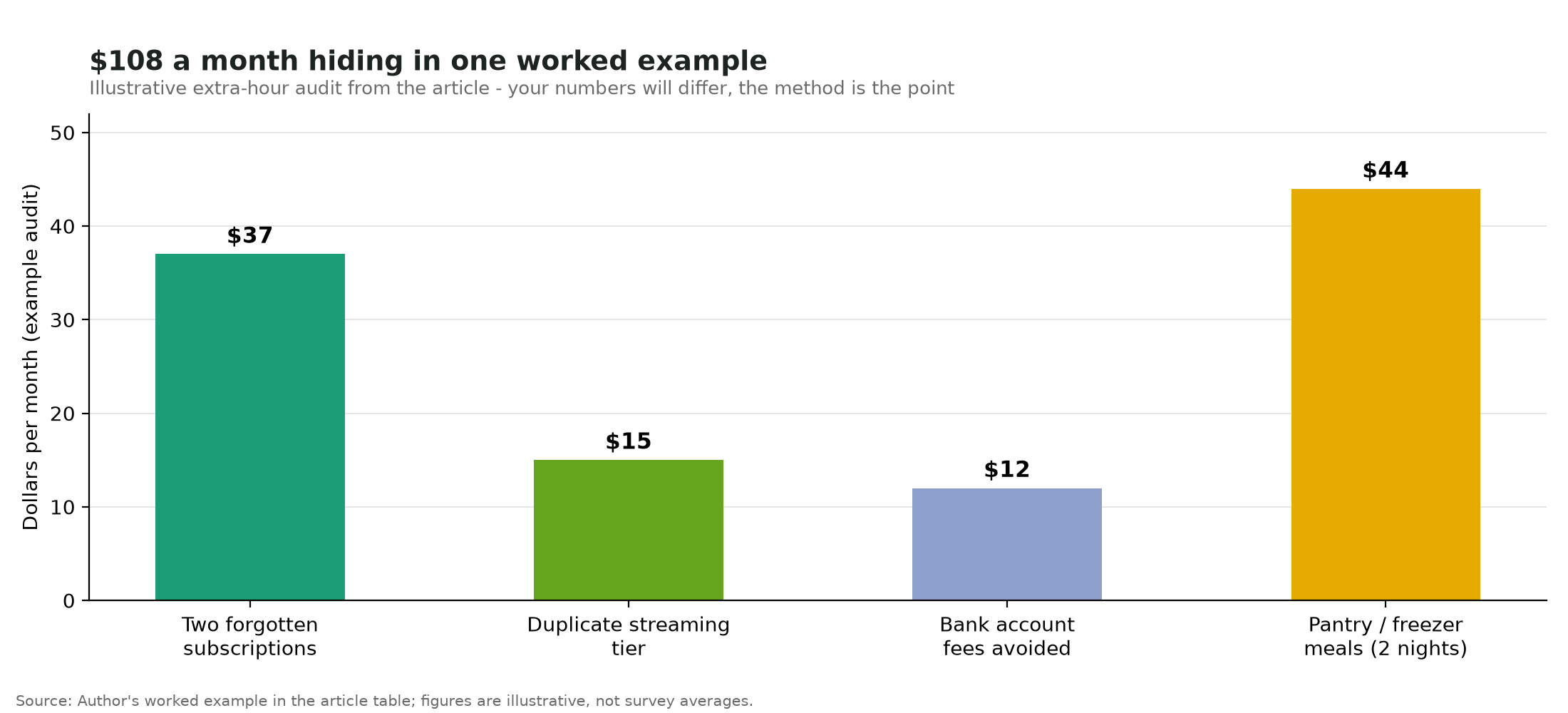
Figure 1: The worked example above. Source: author's illustrative example; figures are not survey averages.
$108 a month will not change a life on its own. Redirected automatically the day after the audit, before it can be reabsorbed into spending, it is $1,296 a year found inside an hour most people were going to sleep through. The extra hour comes back every November. So should the audit.
FAQ
When did the clocks change? Daylight saving time ended in the early hours of Sunday, November 1, 2026, when clocks went back one hour.
Is AnnualCreditReport.com really free? Yes. It is the federally authorized site for free weekly online reports from the three nationwide bureaus, and the FTC guide linked above explains how to spot fee-charging lookalikes.
What if my audit finds nothing? Then you bought certainty for an hour: every recurring charge you carry is one you chose. Write the date down and repeat next November.
Should I cancel subscriptions I use occasionally? Downgrade first, cancel second. An annual plan you use monthly is often cheaper kept; a monthly plan you use quarterly almost never is.
Get the newsletter
New articles and the occasional deep dive. No spam.
Unsubscribe anytime. We never sell your email.